
I film weddings across the Minho and most of Portugal.
I do it in one particular way: I try to make you forget I’m there. That isn’t modesty and it isn’t a line for a website — it’s a working decision, and everything else follows from it.
It decides the gear I carry, where I stand, what I ask of you and what I never ask of you. This page explains all of it at length, because I think you deserve to know how the day will go before you sign anything.
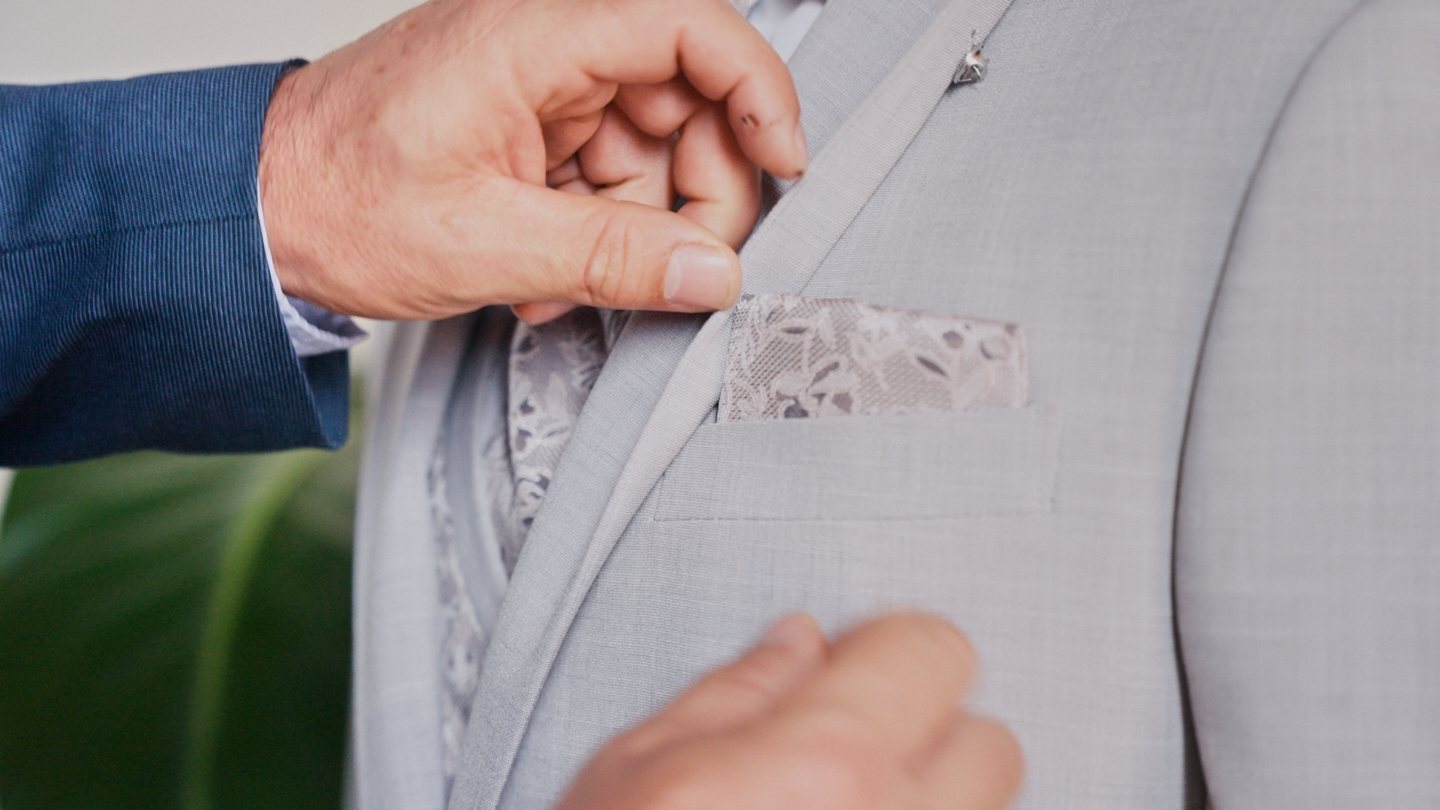
Why discretion
I’ve filmed weddings both ways. Technically, both come out fine. And then you watch the film and something doesn’t sit right: the people in it are performing themselves.
I’ve been the video guy who asks people to go back and do it again, who sets up a light in the middle of the room, who interrupts a hug to repeat it from a better angle.
The moment your mother sees you dressed happens once. If I ask you to do it again, what gets recorded is the second time — and by the second time everybody knows they’re being filmed. Everybody straightens their back. Nobody cries the same way twice.
So the rule is simple and it has no exceptions: I adapt to the day, the day doesn’t adapt to me. If I missed a shot, I missed it. I make up for it with attention, not with retakes.
The day, hour by hour
Getting ready
I arrive early, usually before anyone expects me, and the first thing I do isn’t to point a camera at anyone — it’s to walk the house and see where the light comes from and where I can stand without being in the way.
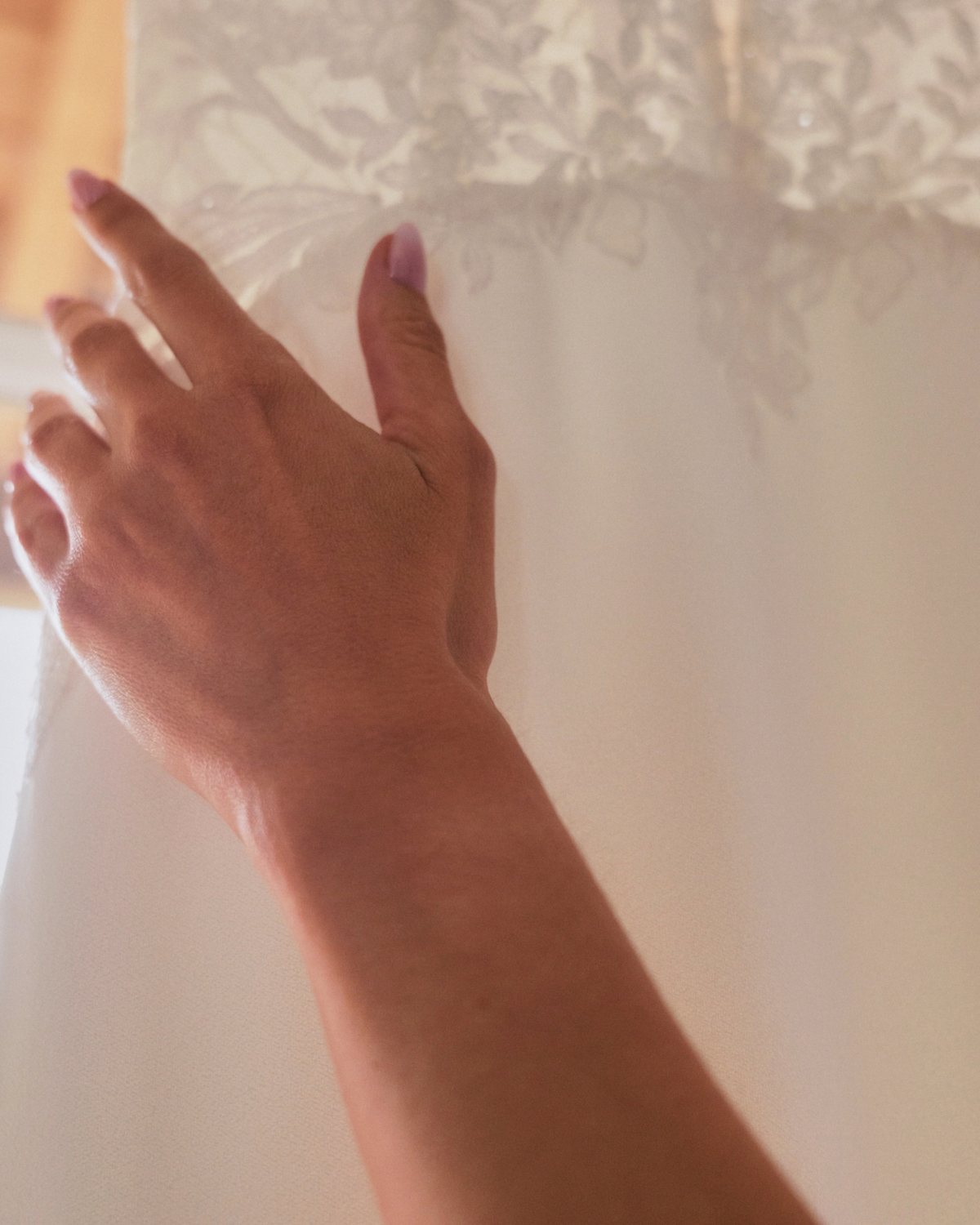
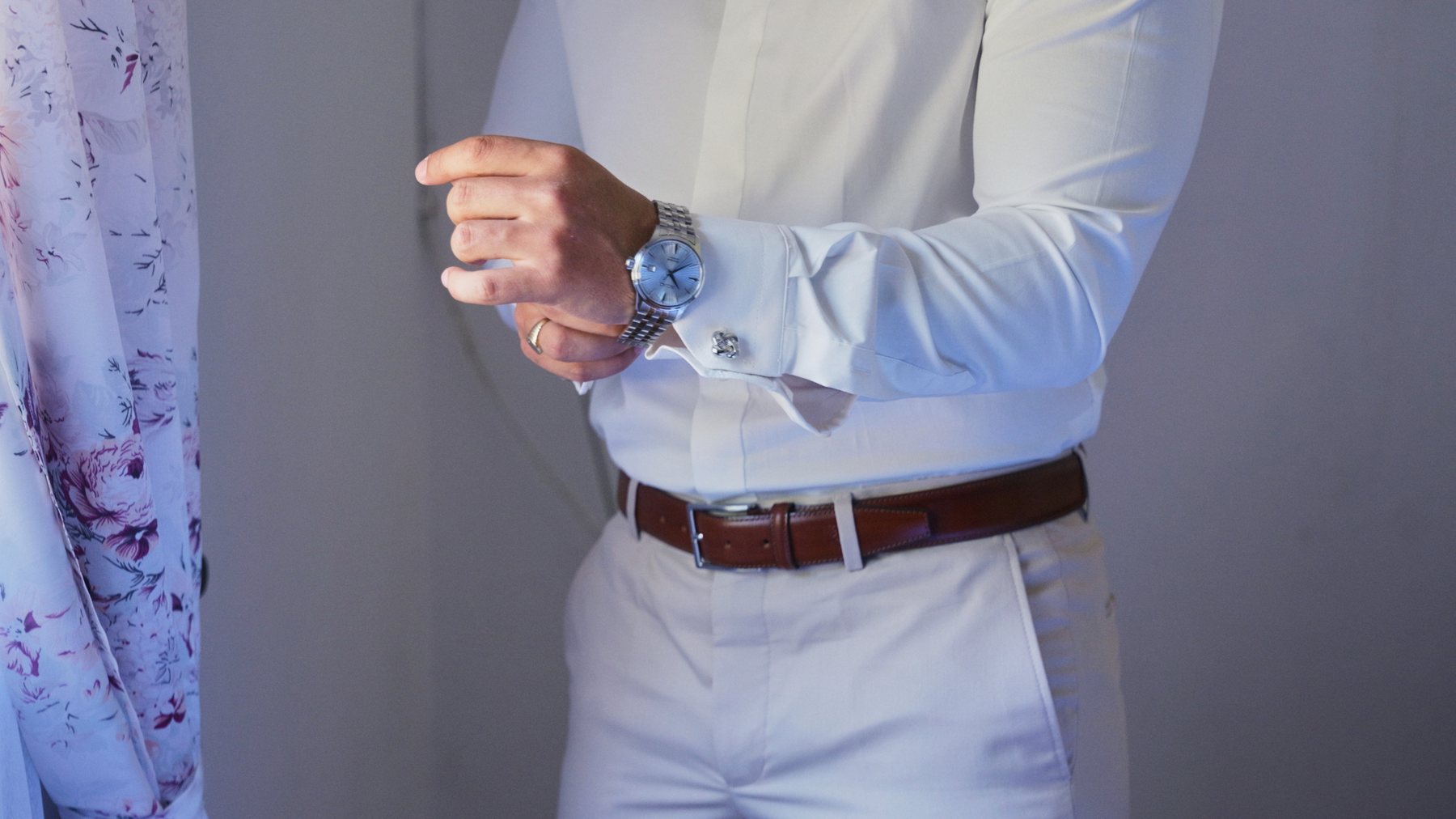
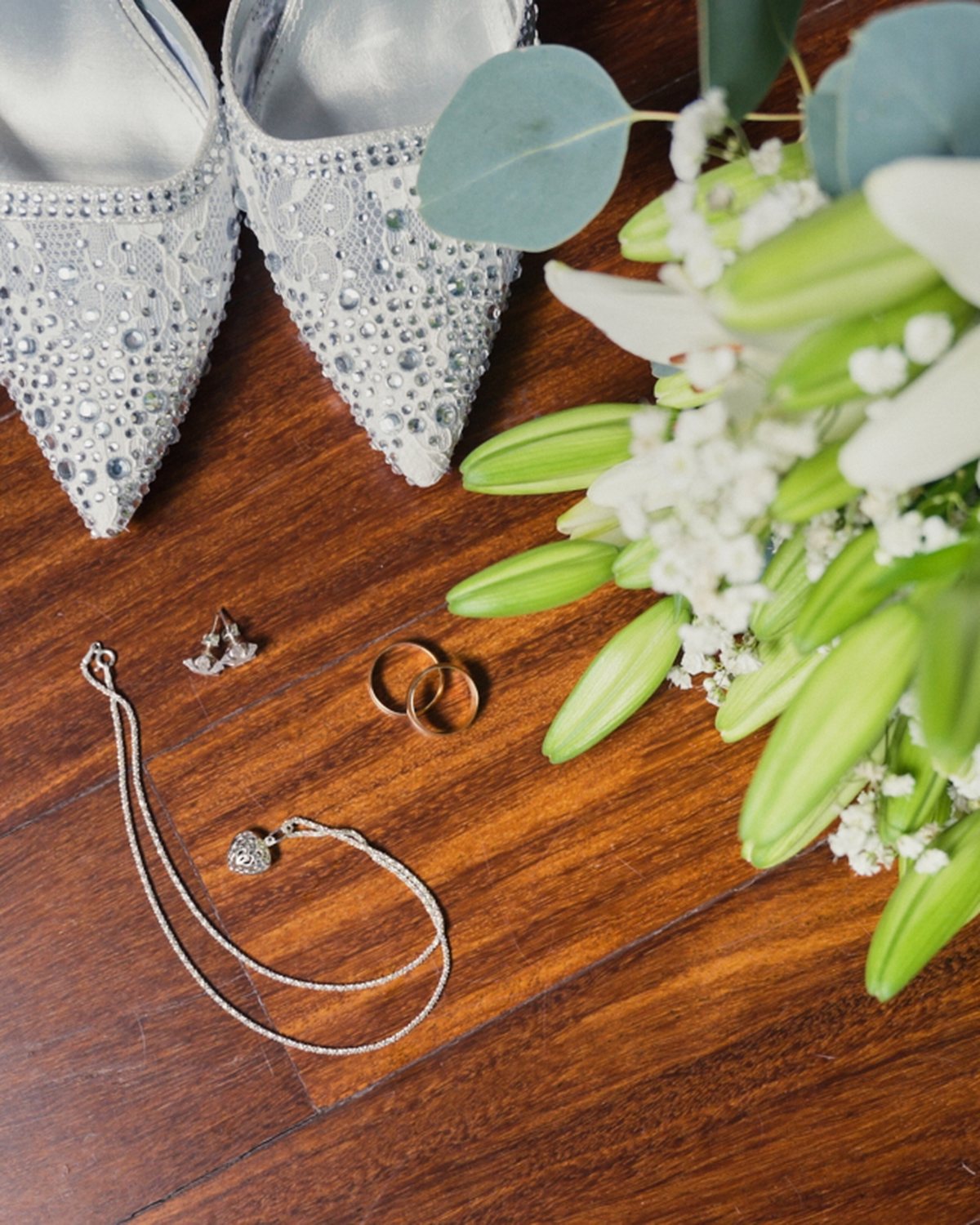
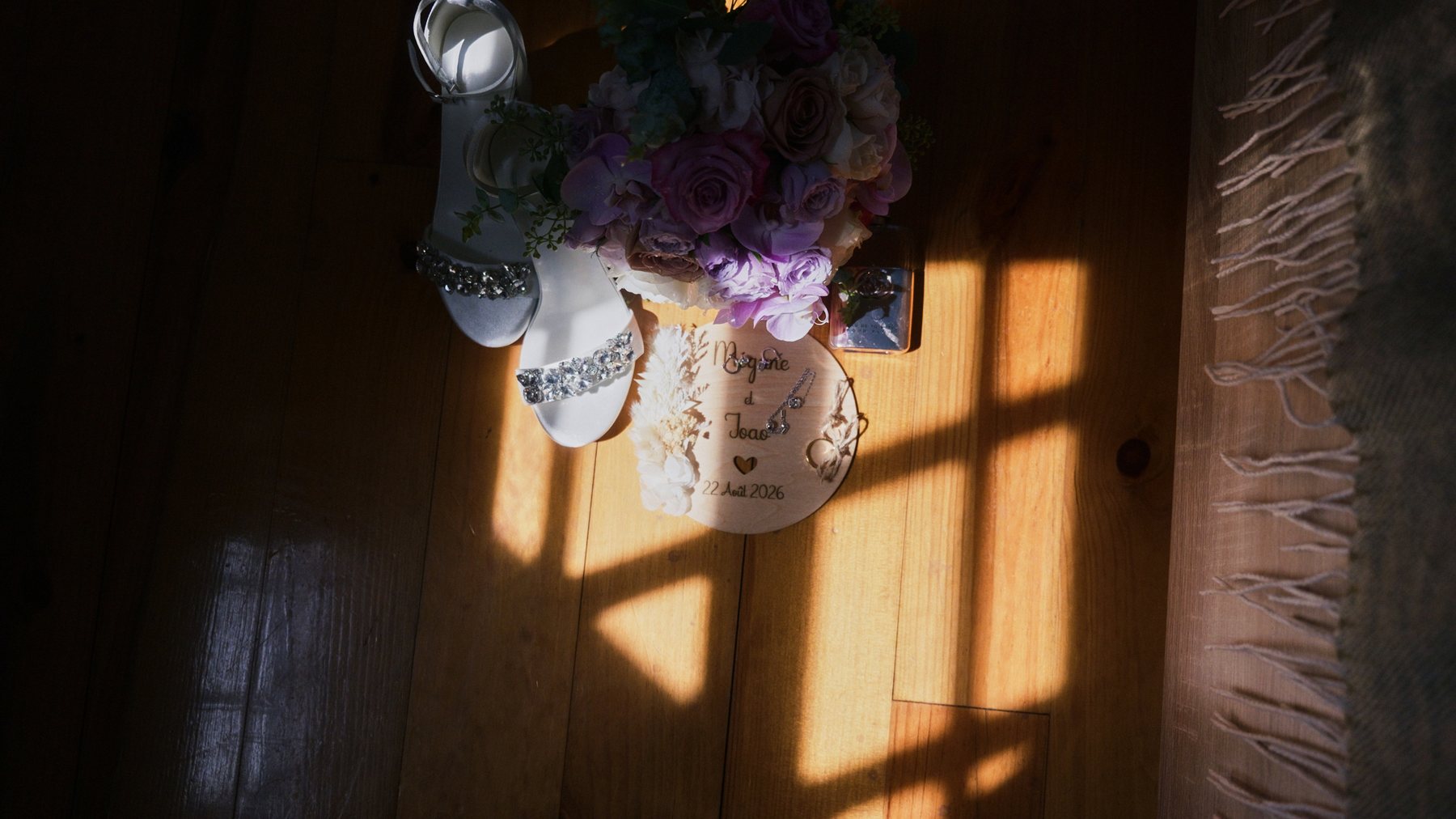
The getting-ready hour is the quietest of the day and the least guarded. Nobody is in wedding mode yet. That’s where the shots that make you cry later come from: the dress hanging on a door, someone ironing a sleeve, your father sitting there not knowing what to do with his hands, the small argument about the knot of a tie.
I film almost all of this with a long lens from the other side of the room. I ask you for nothing. If you need me for something, call me — otherwise, carry on as if I weren’t there. A lot of couples tell me afterwards that they only realised I’d been there when they watched the film.
Ceremony
The ceremony is the part of the day where discretion stops being an aesthetic preference and becomes basic respect. Church or civil, the principle is the same: nobody should have to look away from you because of a camera operator.
Before it starts, I speak to the priest or the celebrant. I ask where I can stand and where I can’t, and I do as I’m told. I’ve never argued with a celebrant in my life over getting a better angle. The cameras go on fixed positions in the places we agreed, and the sound runs from beginning to end whether or not I’m nearby.
That means there are angles I won’t get. I accept that happily. A beautiful shot bought at the price of the priest glaring at me halfway through the vows isn’t worth what it costs.
Portraits
This hour isn’t mine. It’s the photographer’s, and I walk behind.
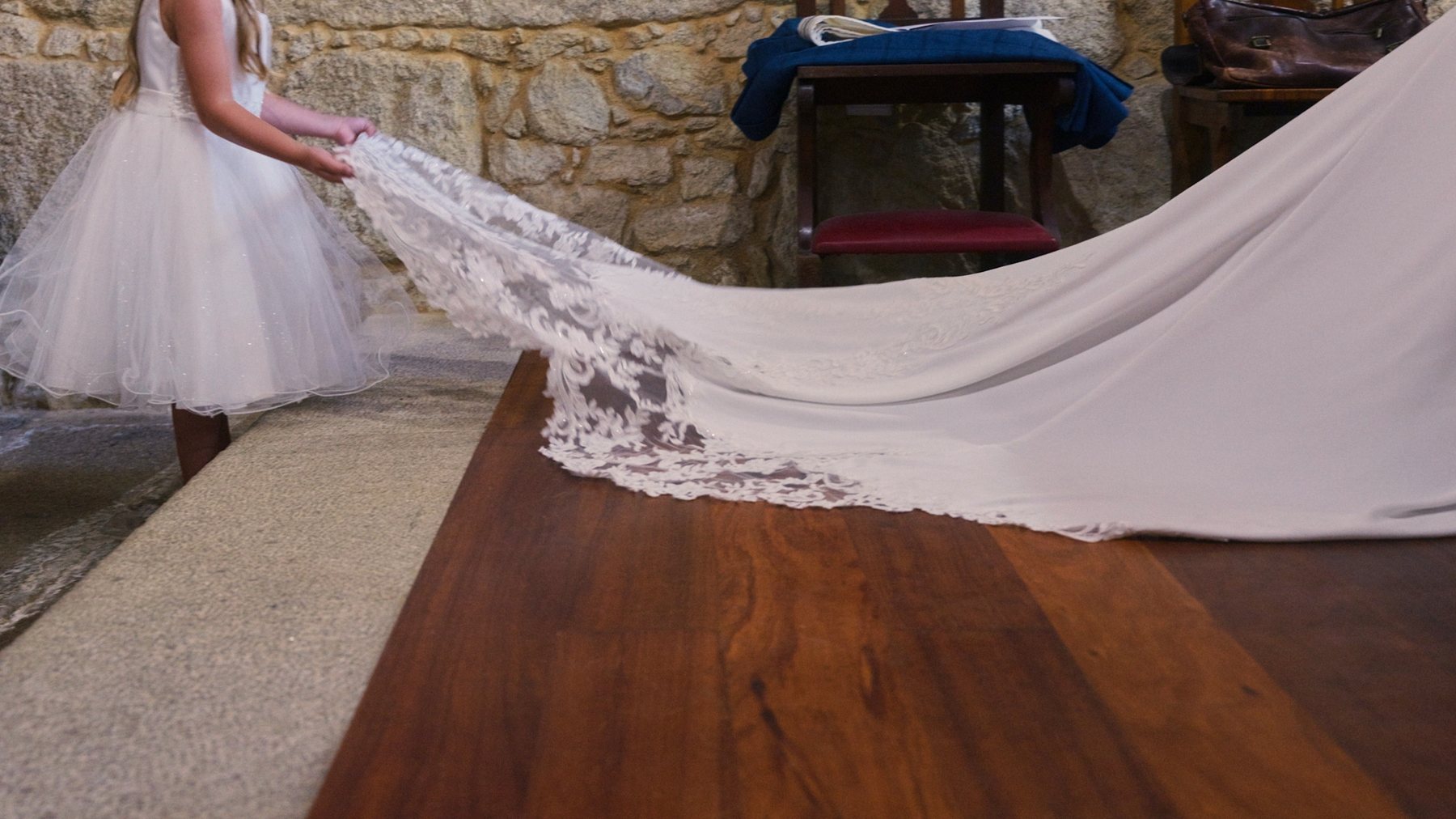
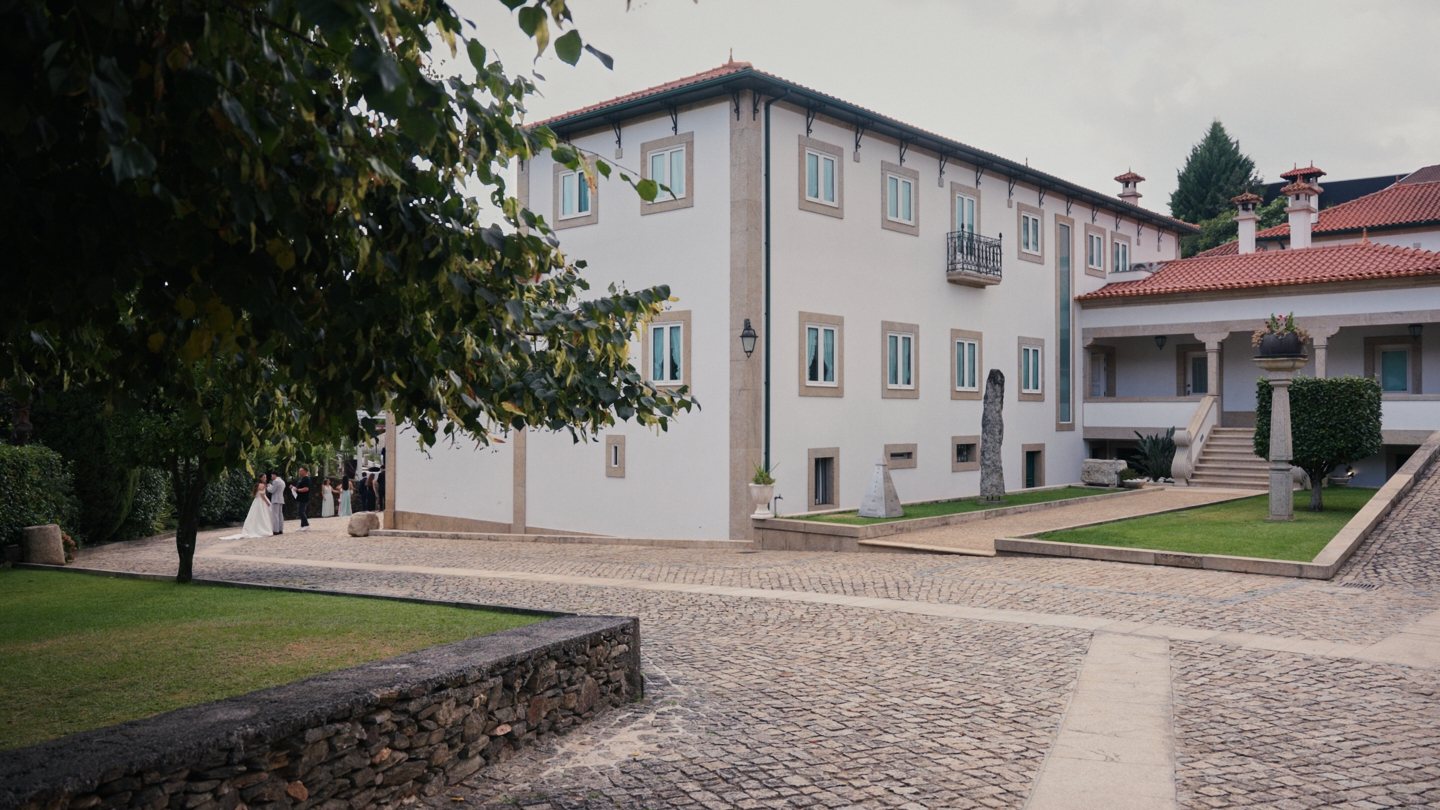
What I film here is almost entirely what happens between the poses: the walk to the chosen spot, the laugh after a direction that didn’t land, the wind catching the veil while he changes lenses, the two of you talking quietly while you wait. It’s the least staged material of the whole day, precisely because everyone’s attention is elsewhere. Oddly enough, it’s where the shots couples love most come from — and I asked for none of them.
If the photographer wants two minutes alone with you, he gets his two minutes and I step away. It costs me nothing.
The party
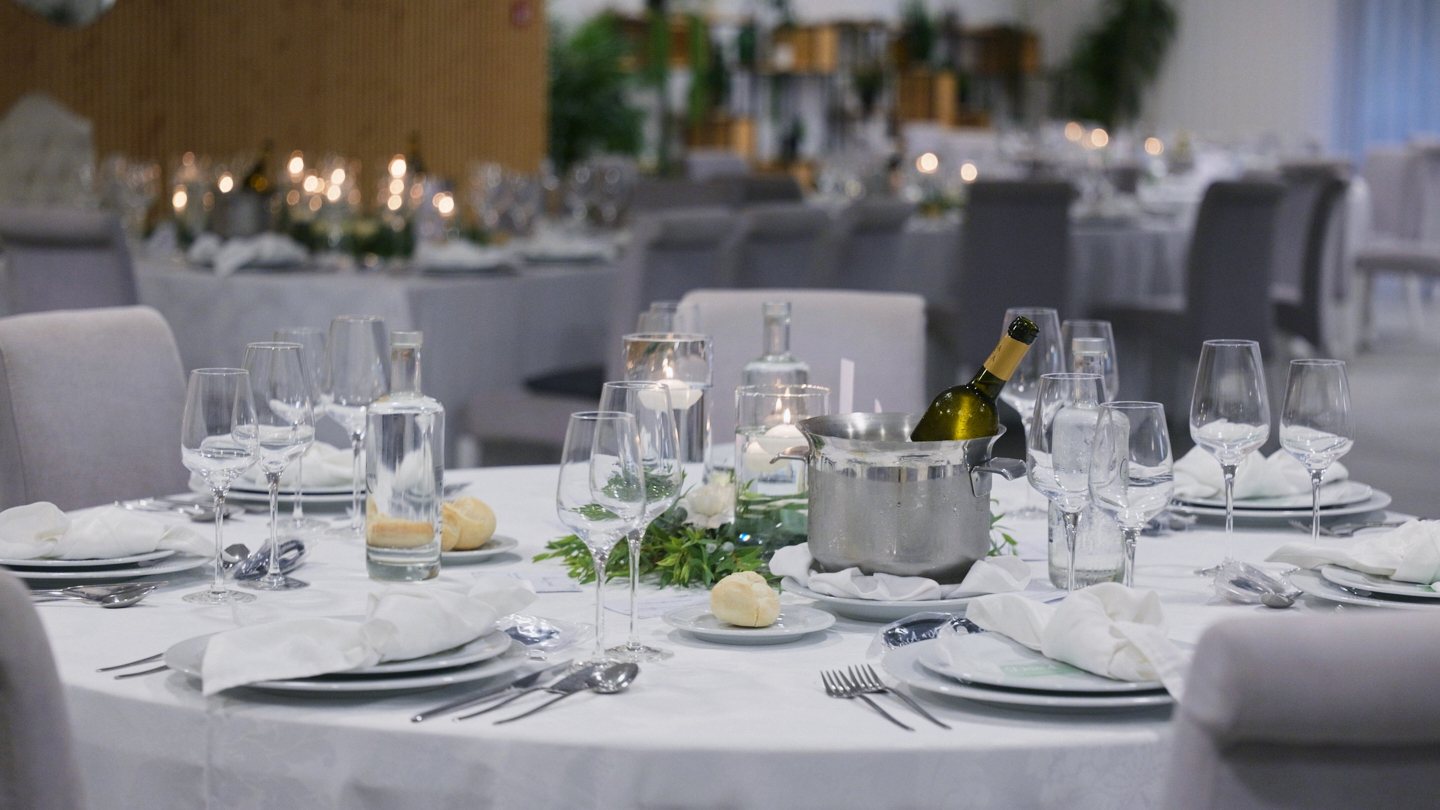
At night I travel light, and that’s a choice, not a limitation. One camera in hand, a small light only when there’s really no alternative, and the room’s sound recording.
A party is filmed from the inside. The people dancing shouldn’t notice me, and the only way that happens is to leave half the studio at home. I stay alert through the speeches — almost always the best sound of the day — and then I let the night run. If at some point you get the feeling I’ve already left, I’m probably three metres away from you.
Sound
This is the part almost nobody asks about, and it makes half the difference.
A wedding has a sound of its own and it disappears completely if it isn’t recorded as it happens. There’s no way to recover, afterwards, the celebrant’s voice, or what your brother said halfway through the toast before his voice went, or what your grandmother sang when the band started that song.
So sound always runs ahead of everything else: microphones in place long before anyone needs them, more than one point recording at the same time, and independent recorders that keep working while I’m in another room. I’d rather have three recordings of the same moment than none.
The short film has music over it, because that’s what a short film asks for. But the original sound is all kept — and the documentary film is made out of it.
What you get
The teaser, in 72 hours
Seventy-two hours after the wedding the teaser is with you. One minute, cut from the best of what happened.
The deadline is firm, and it’s firm on purpose. A teaser that lands in March is no use to anyone: by then everyone has already talked about your wedding and moved on. At three days you’re still answering messages, people are still asking how it went, and something still moves in you when you talk about it. That’s the moment a film is worth most.
I block out the Monday after every wedding for exactly this. That’s how I manage to keep the promise.
The highlights
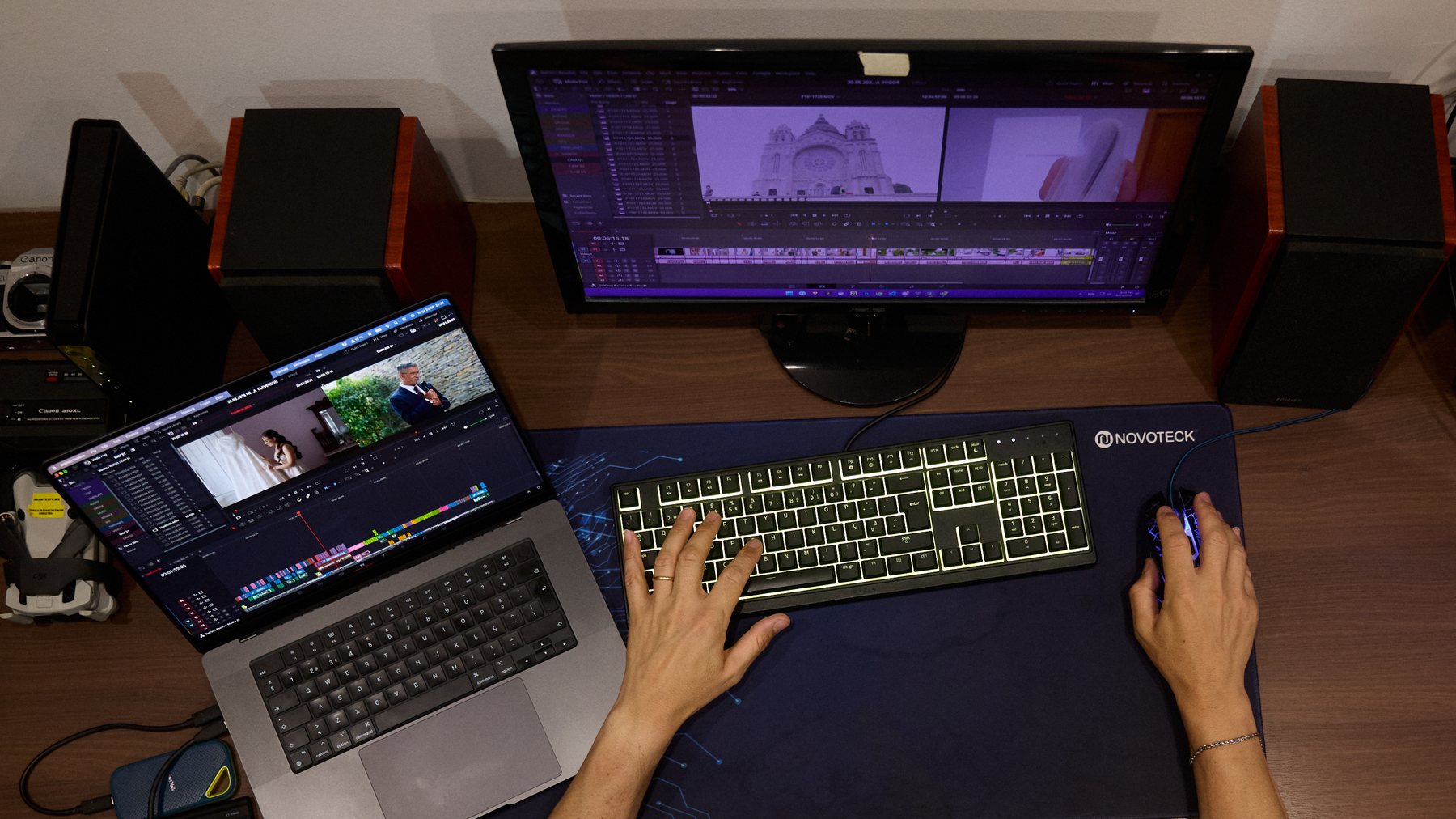
The highlights are around four minutes, with room to tell the story of the day — more than the teaser allows, without being the full film yet. They arrive within the same edit, without waiting for the ninety days of the final film.
They’re a paid option, separate from the package. Not every couple wants them, and anyone who takes only the teaser and the final film is well served. I tell you this at quote stage, not at the end.
The final film, in 60 to 90 days
Two to three months. I quote the higher number on purpose, and here’s why. The film runs between fifteen and thirty minutes, depending on the scale of the wedding — a very large event or something simpler.
Between June and September I have weddings almost every weekend, and increasingly on weekdays too. A real edit — watching everything that was filmed, treating the sound, grading the colour, going back over it two or three times — doesn’t fit in the days between two Saturdays. Out of season, it arrives a good deal sooner.
I’d rather tell you ninety days and deliver at seventy than promise thirty and spend November inventing excuses. It’s a choice that occasionally costs me a booking, and I keep making it.
If there’s a date that really matters to you — an anniversary, a trip, someone in the family who badly wants to watch and can’t wait — tell me when you book. I’ll tell you straight away whether I can do it.
The documentary film
This is the extra that’s hardest to explain on a website and easiest to understand once you’ve seen one.
The short film is a version of the day. It’s chosen, cut and scored: I decide what stays, I decide the order, and I put music over it. It’s beautiful and it’s what most people want to show their friends.
The documentary film is barely edited, on purpose: longer stretches of the ceremony and of the party at the estate, with the sound the day actually had, uncut to fit a running time.
The music that played in the church is the music you hear, not the music I chose. The celebrant speaks and you hear what he said, with the pauses and the acoustics of the nave. The party sounds the way it sounded — the band or the DJ sorting the sound, the glasses, the moment everyone sings and nobody gets the words right.
It’s a long film. It isn’t for the week after and it isn’t for posting. It’s for ten or fifteen years from now, when you no longer remember the sound of the voice of someone who’s no longer around. By then the short film is still beautiful — and this one is worth something else entirely.
It’s optional and it’s paid for separately. If you tell me you want it before the day, I record with that in mind, which means more microphones and more care with the continuity of the sound. You can also ask for it afterwards, as long as not too much time has passed.
Working with your photographer
If you’ve already chosen a photographer, tell me who it is.
I call him before the day, I find out how he likes to work, and we settle the two or three things that usually cause friction: who stands where at the entrance, who leads during the portraits, and when I turn a light on. It’s a five-minute conversation that saves you a whole day of two crews tripping over each other.
If you haven’t chosen yet, I can suggest people I’ve worked with. I earn nothing from it, and I always tell you I earn nothing from it.
How to book
Write to me with the date and the place. I’ll reply saying whether I’m free, and with the prices.
If we go ahead, we arrange a proper conversation — in person if you’re nearby, on a call if you’re not — so I can understand what kind of wedding you’re having and what actually matters to you.
The date is held once the contract is signed and the deposit is paid. I film one wedding a day, always.